
Sustainability
What sustainability looks like in a well-run cleaning service
October 10, 2026
A clean building is the visible result of a service shaped by many less visible decisions. How products are sourced, what happens to empty packaging, how people are supported and how safely they work all influence the impact of that service.
For the organisations responsible for those buildings, these decisions matter. Cleaning forms part of their supply chain, affects the experience of the people using their spaces and contributes to their wider environmental and social responsibilities.
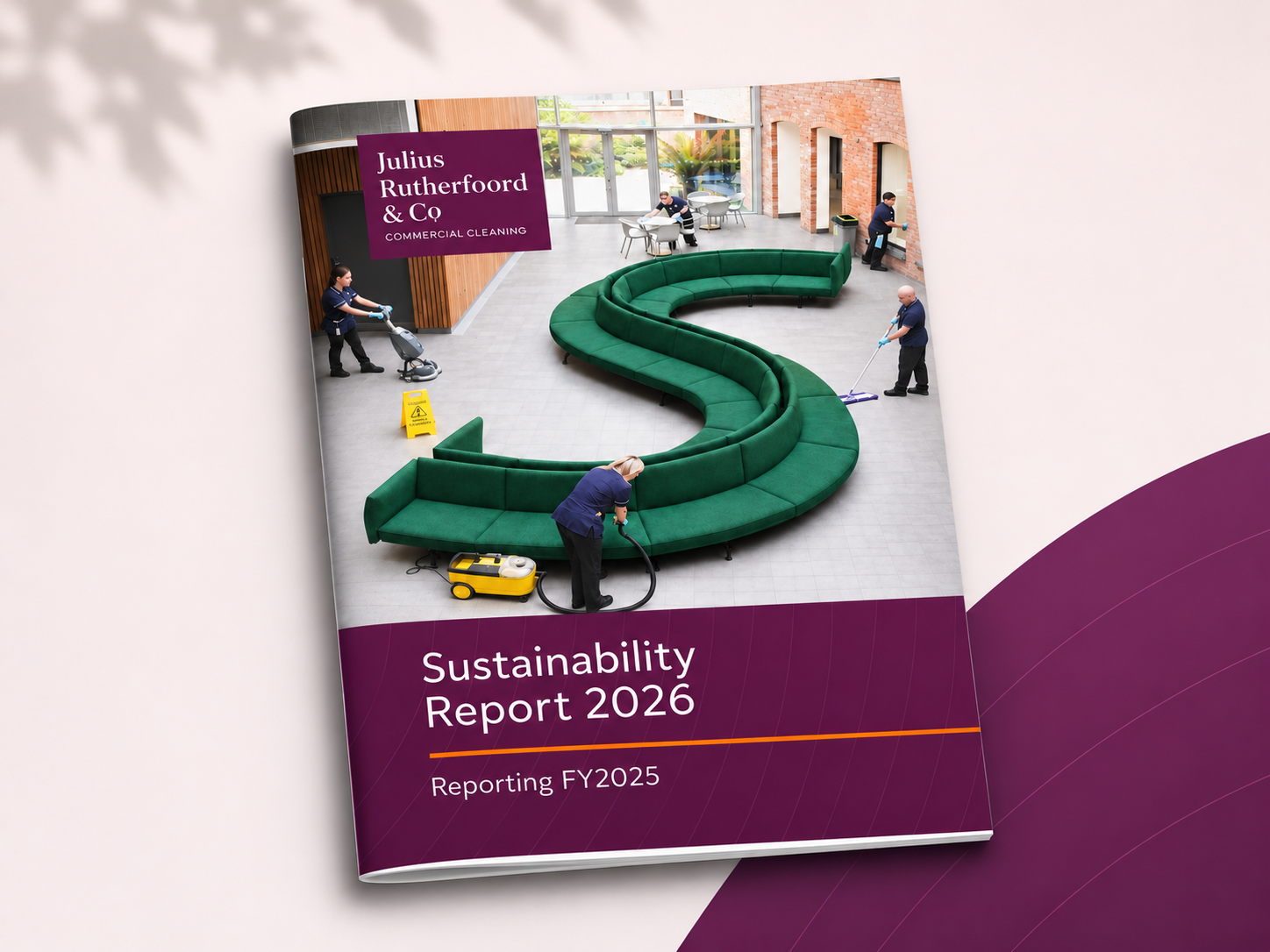
JR&Co’s Sustainability Report explores those connections through our progress during 2025. It shows how practical changes in cleaning operations can support more responsible workplaces, and where further improvement is needed.
Reducing waste starts before the bin
Managing waste begins with considering what needs to be purchased and whether materials can stay in use for longer.
Cleaning product containers are a practical example. Through JR&Co’s OdorBac return scheme, empty containers are collected from client sites, returned, professionally cleaned and refilled. During 2025, 2,308 containers were returned for reuse, avoiding 788 kg of virgin plastic.
Building reuse into routine deliveries makes it part of how the service operates. For organisations looking to reduce packaging waste, this demonstrates the value of examining everyday purchasing and handling practices alongside recycling arrangements.
The same thinking applies to information. Replacing printed site files with site-specific QR codes reduces reliance on paper while giving cleaning teams access to the latest procedures, risk assessments and operational guidance. Using fewer resources can also make the information people need easier to find.
Lasting improvements depend on people
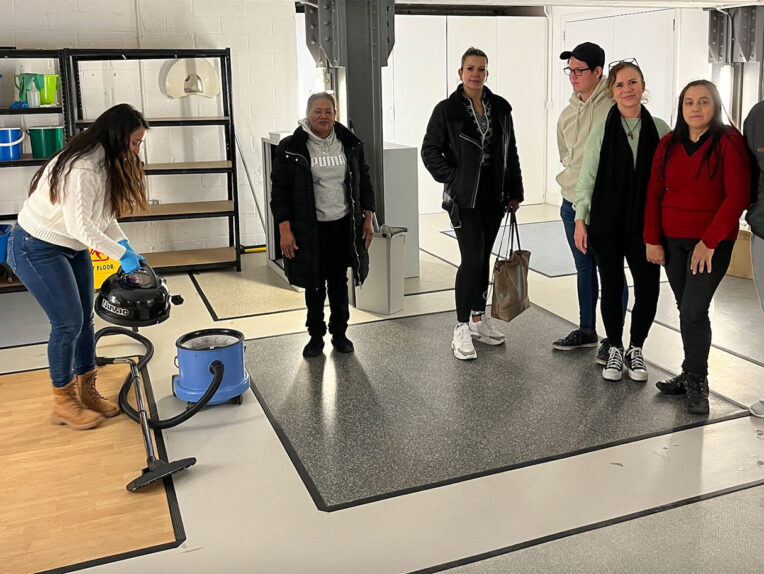
A return scheme only works when containers are collected. A procedure is only useful when people understand and follow it. The effectiveness of these changes depends on the teams putting them into practice every day.
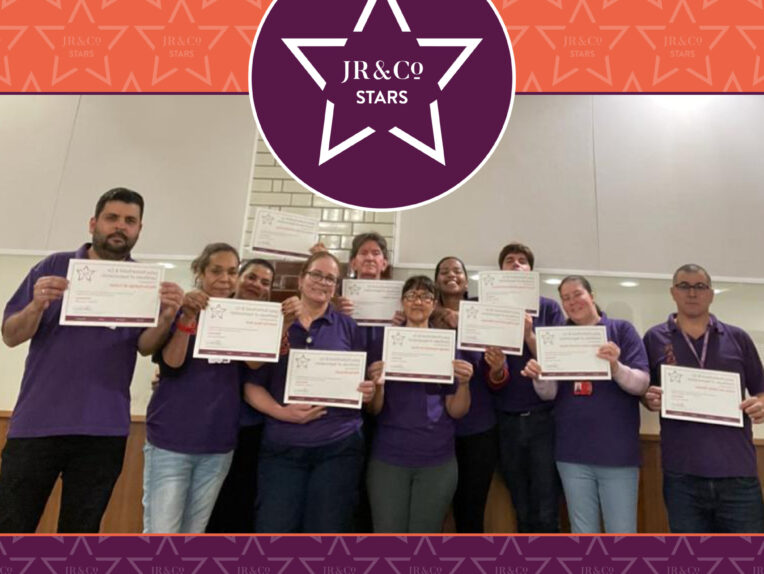
Supporting those teams is therefore an essential part of a sustainable cleaning service. Recognition, development and accessible management help retain experience and build the knowledge needed to work effectively in each building.
During 2025, JR&Co’s employee turnover fell from 41.1% to 34.1%. Retaining experienced colleagues helps preserve familiarity with a site’s routines, its requirements and the expectations of the people who use it. That continuity supports consistent service and working relationships.
It also supports a proactive approach to safety. Training, site-specific risk assessments and straightforward reporting tools help colleagues identify concerns and raise them. Paying attention to their experience creates opportunities to address hazards and improve how work is carried out.
Looking beyond the individual building
Alongside the choices made on site, the wider operation behind a cleaning service deserves attention. Transport, energy use and supply-chain practices all form part of its environmental impact.
JR&Co’s reported total greenhouse gas emissions fell by 18.6% in 2025 compared with 2024. The report sets out this progress alongside the continuing challenges across the wider value chain, including employee commuting.
For anyone assessing a cleaning partner, meaningful figures need a clear reporting period, a basis for comparison and an explanation of what they cover. These results describe JR&Co’s company-wide footprint; they do not represent the emissions of an individual cleaning contract.
That clarity makes the information more useful in responsible procurement and supplier reviews. It helps organisations assess progress, understand limitations and ask informed questions about the service they are choosing.
Turning sustainability priorities into everyday practice
The value of a sustainability commitment lies in how it influences daily decisions. Keeping packaging in use, supporting experienced teams and making operational information accessible are practical ways to connect environmental and social priorities with service delivery.
They also provide useful questions when reviewing cleaning arrangements. How are resources used? What helps teams stay and develop? How is progress measured, and what still needs to improve?
JR&Co’s Sustainability Report brings these details together. It reflects the power of undivided attention: understanding how a service works, listening to the people delivering it and identifying improvements that matter to the organisations relying on it.
Explore JR&Co’s Sustainability Report
To discuss how these approaches could support your building and its priorities, get in touch with our team.

Author:
JR&Co